What is Fintech?
Financial technology, commonly known as fintech, refers to the integration of technology into offerings by financial services companies to improve their use of financial services. With the advancements in technology, fintech has revolutionized the way consumers manage their finances and engage with borrowing solutions. Businesses and individuals alike are leveraging fintech solutions for easier access to loans and investment opportunities.
Services Offered by Fintech Companies
Fintech firms are known for providing a variety of financial services, including home loans, personal loans, and business loans. They offer innovative solutions such as loan against property, vehicle loans, and mortgage loans, making it simpler for customers to obtain financing. Most importantly, these companies emphasize transparency and a customer-focused approach, ensuring that clients receive quick loan assistance tailored to their specific needs.
The Future of Loans and Investments
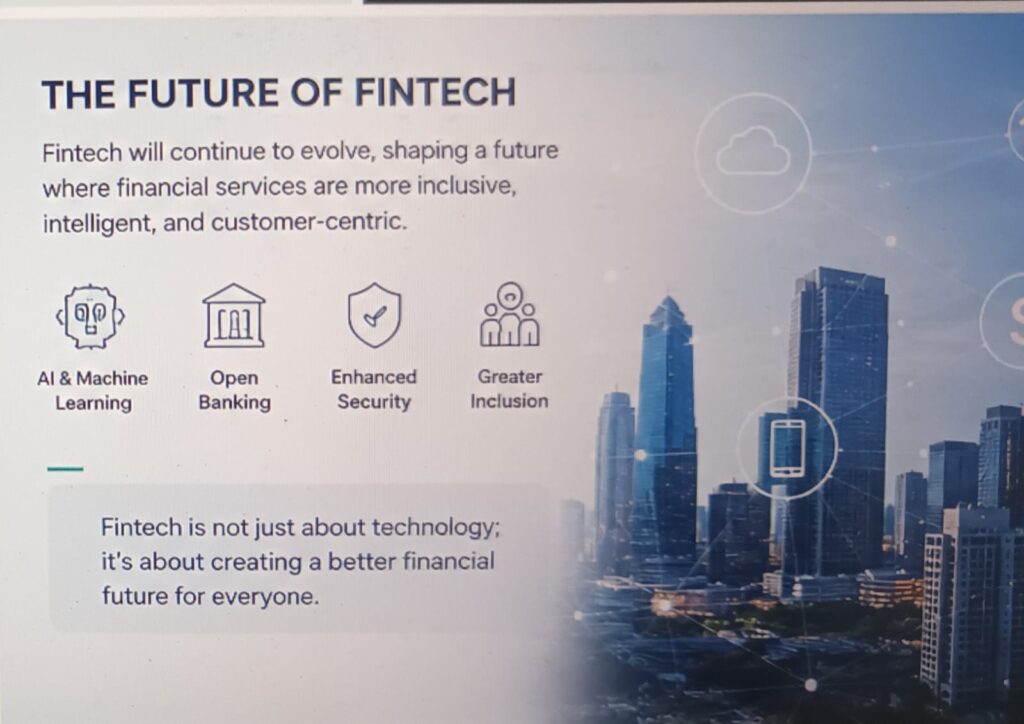
As fintech continues to grow, customers can expect even more streamlined processes and enhanced services. With features like EMI calculators and loan eligibility checkers, individuals can fully understand their financial commitments before proceeding with loan applications. Additionally, the integration of simple communication methods, such as WhatsApp, allows for seamless interactions between clients and service providers. Emphasizing digital trust for every loan, fintech stands to offer not just financial solutions but a complete overhaul of the traditional financial landscape.
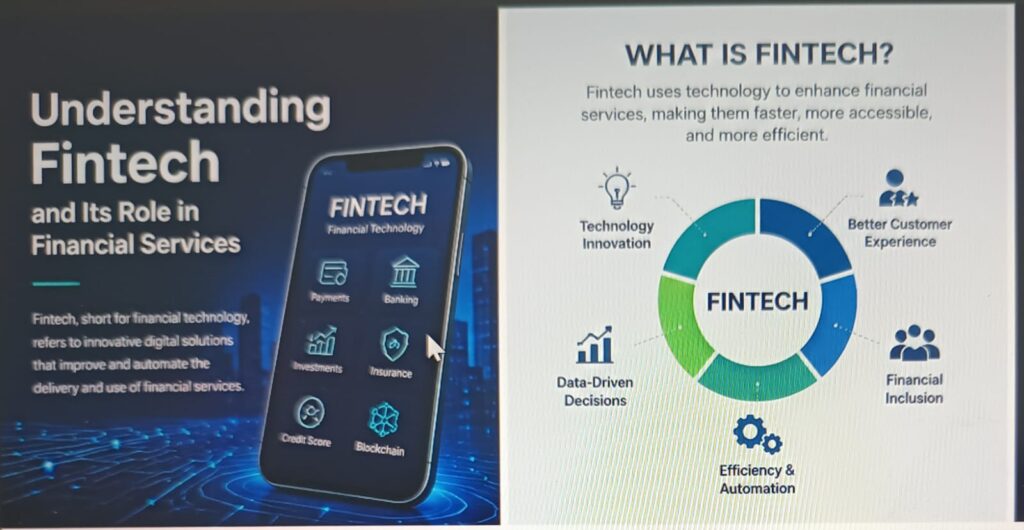
Understandingtech Its Role in Financial Services
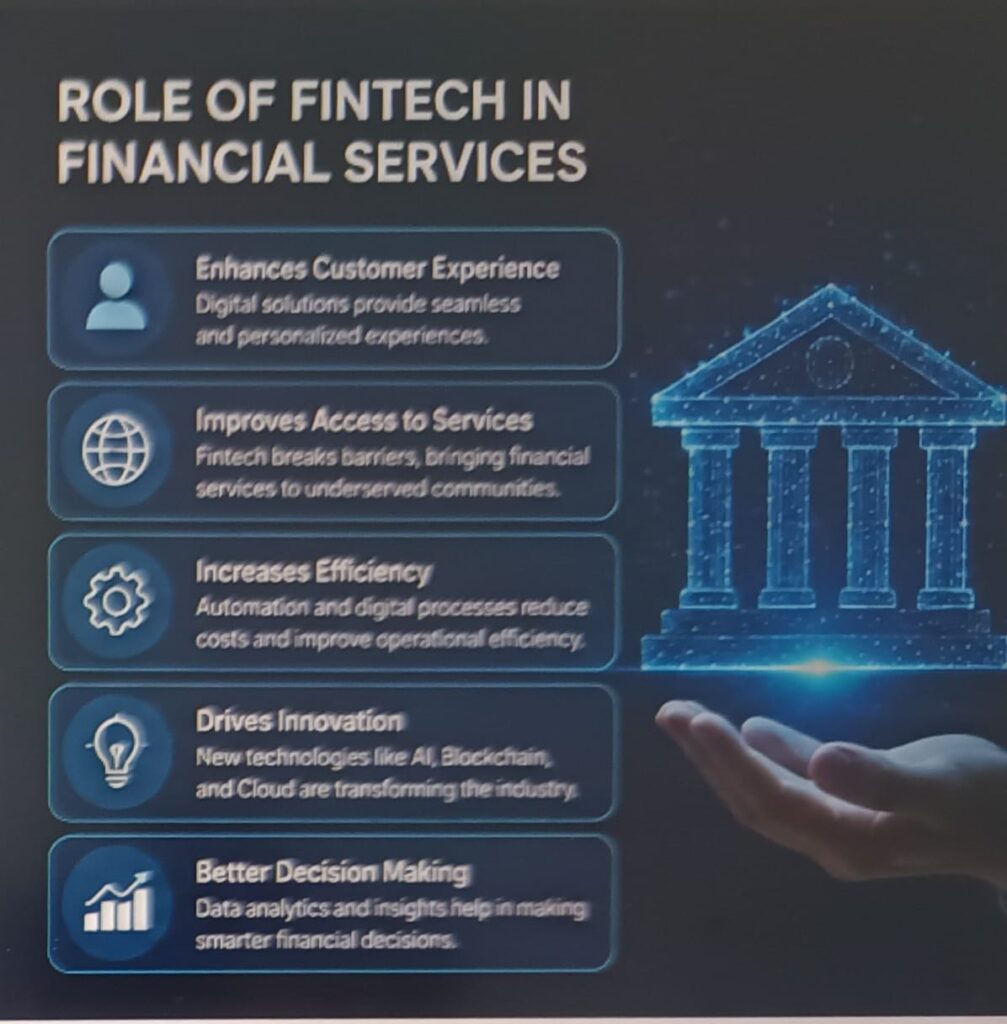
Fintech refers to the application of technology to enhance and automate delivery financial services. combining software, data analytics, and secure digital channels, fintech companies aim improve accessibility, efficiency, and transparency consumers businesses alike.
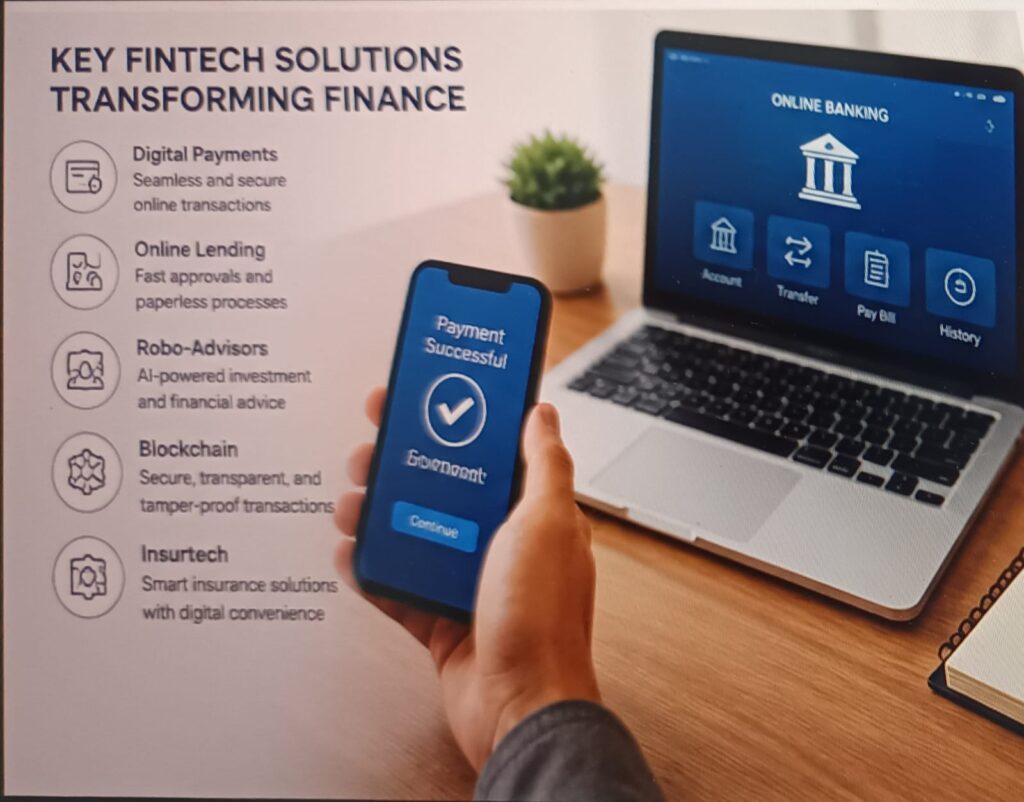
Core Areas oftech- Digital payments and wallets Seamless,, and secure transactions across and.
Online lending and alternative credit Streamlined loanination, underwriting, and disbur with enhanced data-driven decision-making.
- Personal finance and wealth tech: Tools for budgeting saving, investing, and retirement planning that empower users.
- Insur: Technology-based processes for underwriting, policy administration, and claims management.
- and digital assets: Distributed technologies that enable secure,per-resistant record-keeping and peer-to-peer.
Regtech and: Solutions that help financial meet regulatory requirements more efficiently.
Benefits for Consumers and Businesses
Improved to financial products through user interfaces faster applications.
- Greater transparency in,, and service levels.
- Personalization driven data analytics, enabling tailored and.
- Enhanced security measures including multi-factor and advanced encryption.
- Reduced costs and processing times, fostering a more inclusive landscape### Considerations and Risks
- privacy and protection: Stringent controls essential to safeguard sensitive information.
- Cybersecurity O investment in robust security architectures and threat is required.
- Regulatory compliance: Fintech firms must navigate evolving and industry standards.
- Operational risk: Depend on technology introduces risks related to system outages and reliability.
- Customer trust: communication ethical are vital to confidence### Path Forward
As fintech continues to, between financial institutions and technology-driven will shape the future of financial services. Em on digital trust, responsible innovation, and user-centric design will guide the development new products and services, accessibility, fairness, and resilience in a rapidly evolving landscape
Internal linking: best practices and practical examplesInternal linking plays a crucial role in guiding visitors through your content, distributing page authority, and improving discoverability of key topics. A well-planned internal structure supports user navigation and helps search engines understand the relationships between pages.
Goals of internal linking
- user by providing clear pathways to related topics.
- Signpost cornerstone content deepen engagement with comprehensive guides.
- Improve SEO by distributing equity important pages.
Recommended topics and example links